
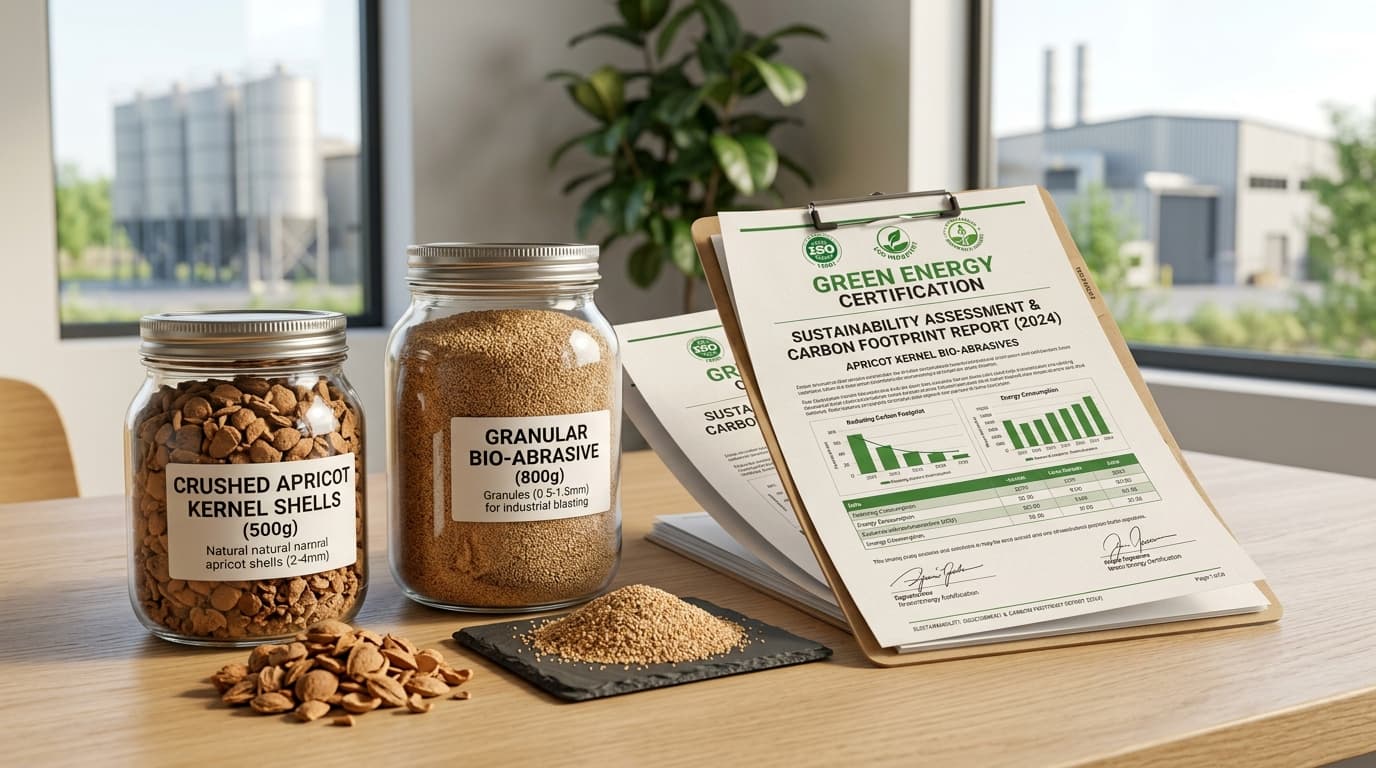
2026 Industrial & Biomass Outlook: Why Global Markets are Turning to Apricot Kernel Shells

An in-depth analysis of how strict ESG regulations, rising fossil fuel costs, and microplastic bans are driving exponential demand for crushed apricot pit shells in 2026.
As heavy industry and global energy sectors accelerate their transition toward decarbonization in 2026, renewable agro-industrial residues are taking center stage. Among the most sought-after bio-materials across Europe, North America, and Asia is the apricot kernel shell (apricot pit shell). What was once considered an agricultural byproduct has now evolved into a high-performance, multi-industry commodity.
1. The Energy Shift: CBAM and Green Biomass Substitution
Under the EU Carbon Border Adjustment Mechanism (CBAM) and escalating global carbon taxation, industrial facilities face mounting pressure to eliminate coal and high-emission fossil fuels. Apricot kernel shell stands out with extraordinary thermal characteristics:
- High Energy Output: Delivering a net calorific value (LHV) of 4,500 to 4,850 kcal/kg (18.8 - 20.3 MJ/kg), it generates more sustained heat per unit volume than traditional softwood pellets.
- Minimal Ash & Slagging: With an ash content below 1.5%, it drastically reduces clinker buildup and maintenance downtime in commercial biomass boilers.
- Near-Zero Sulfur: Emitting less than 0.02% sulfur dioxide, it enables compliance with the strictest urban emissions thresholds.
2. Soft Blasting Revolution in Aerospace and Automotive
Surface treatment engineers are increasingly abandoning quartz sand and toxic mineral slags due to aggressive substrate wear and worker silicosis risks. With a Mohs hardness of 3.0 - 3.5, calibrated apricot shell granules offer non-destructive precision blasting:
- Aviation Turbines: Removes hard carbon crusts from titanium blades without altering aerodynamic micro-tolerances.
- Electric Vehicle Tooling: Cleans precision aluminum stator molds and battery enclosures without micro-scratching.
- Cost Savings Through Recycling: Its resilient cellular structure allows closed-loop blast systems to reuse the media 4 to 6 times.
3. Surging Demand for Premium Activated Carbon Precursors
The global activated carbon market is projected to reach unprecedented volumes by 2028, driven by stricter municipal drinking water directives and precious metal (gold and rare earths) extraction. Apricot pit shell provides an exceptionally dense lignocellulosic matrix, resulting in activated carbons with iodine values exceeding 1,050 - 1,200 mg/g and extensive microporous pore volume.
4. Clean Beauty: The Microplastic Alternative
With global bans on synthetic polyethylene microbeads fully enacted in 2026, cosmetic formulators require 100% natural, biodegradable physical exfoliants. Ultra-fine sieved and gamma-sterilized apricot shell particles (0.2 - 0.5 mm) provide smooth, spherical scrubbing action for premium personal care lines.
Strategic Supply Chain from Malatya
Reliability of supply and consistent granulometry are the primary concerns for international B2B purchasers. Apricot Kernels manages fully integrated cracking, multi-deck sieving, and optical sorting operations in Malatya, Turkey—supplying continuous containerized shipments in 1,000 kg Big Bags and custom bulk options worldwide.
Related Articles
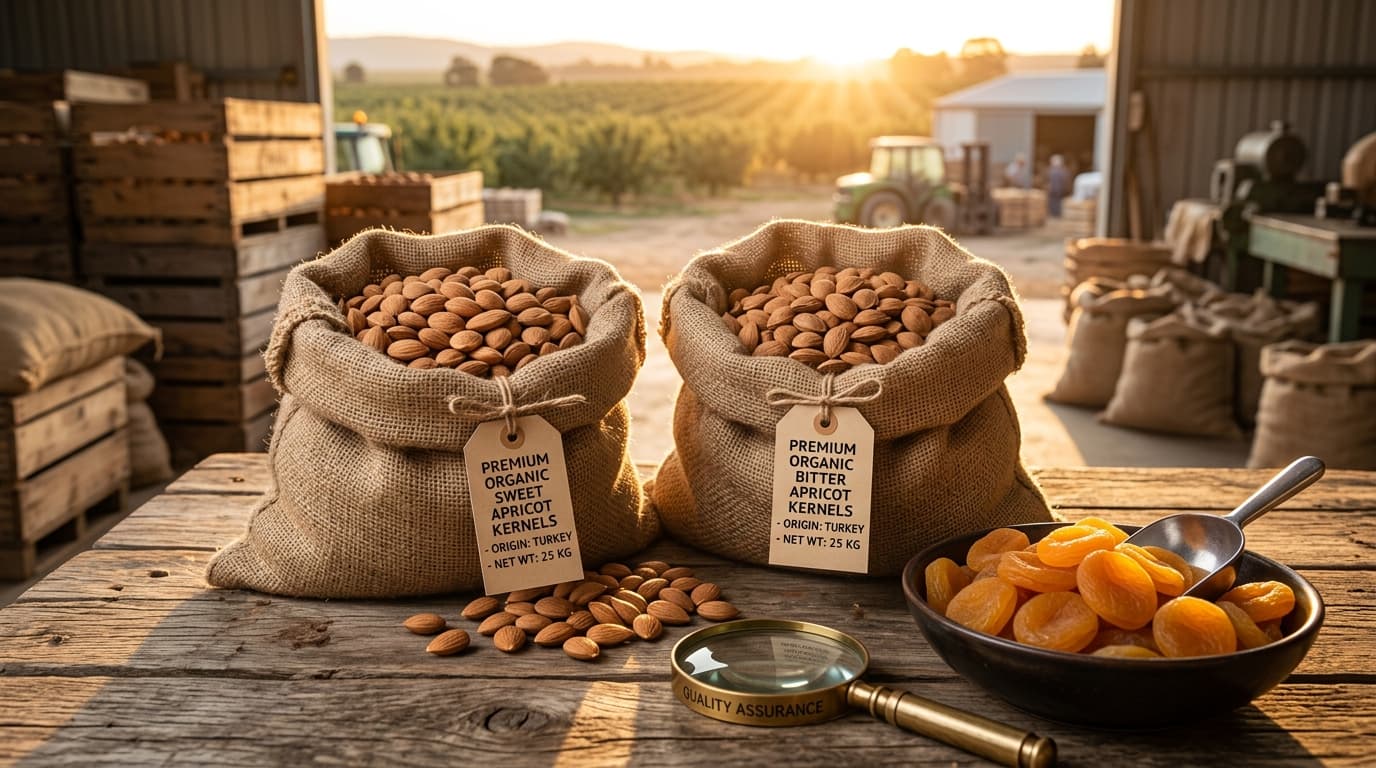
Global Apricot Kernel Market & 2026 Harvest Outlook: Strategic Guide for B2B Importers
A comprehensive 2026 market intelligence report covering Malatya harvest yields, pricing dynamics, aflatoxin zero-tolerance compliance, and B2B import procurement strategies.
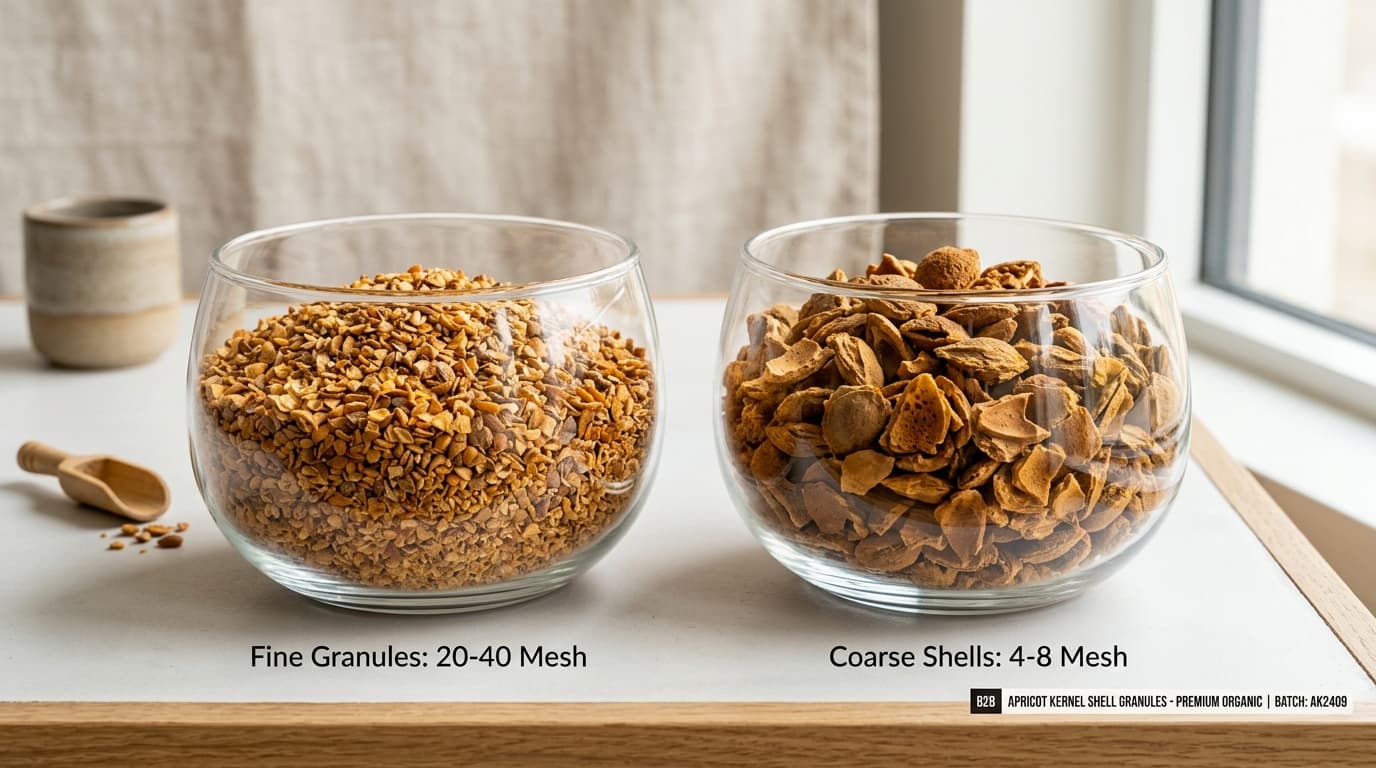
Apricot Kernel Shell: The Sustainable Biomass and Industrial Abrasive Revolution
Discover why crushed apricot kernel shells are trending globally as high-calorific green biomass fuel, non-destructive sandblasting media, and activated carbon precursors.
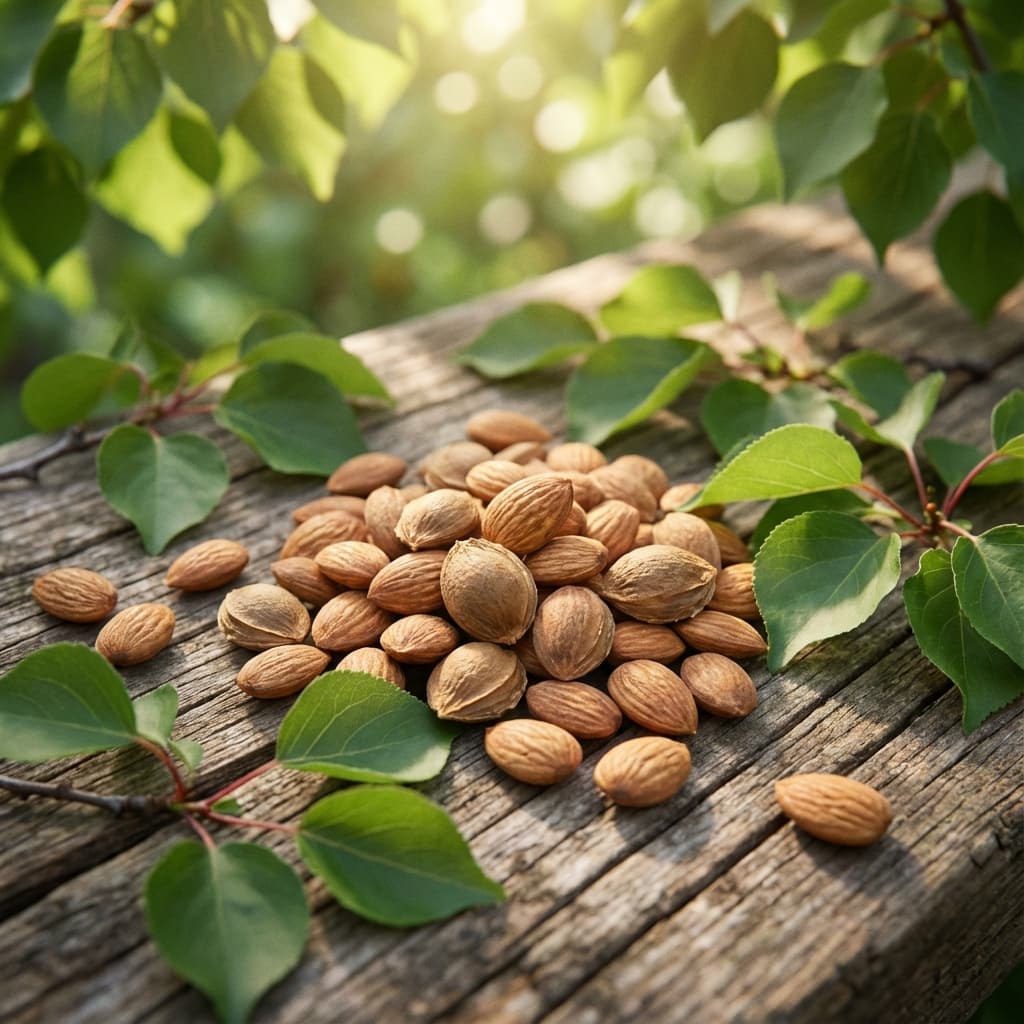
Why Choose Organic Apricot Kernels? A Guide to Health and Sustainability
Discover the benefits of organic apricot kernels. From pesticide-free farming to higher nutrient density, learn why organic is the superior choice.