
Sweet vs Bitter Apricot Kernels: What’s the Difference?

A comprehensive guide to understanding the physical, nutritional, and culinary differences between sweet and bitter apricot kernels.
Apricot kernels, the seeds found inside the stone of the apricot fruit, are a versatile product with a growing global market. However, not all kernels are created equal. The two main varieties—sweet and bitter—have distinct characteristics, uses, and nutritional profiles. Understanding these differences is crucial for importers, manufacturers, and consumers alike.
1. Physical Appearance and Taste
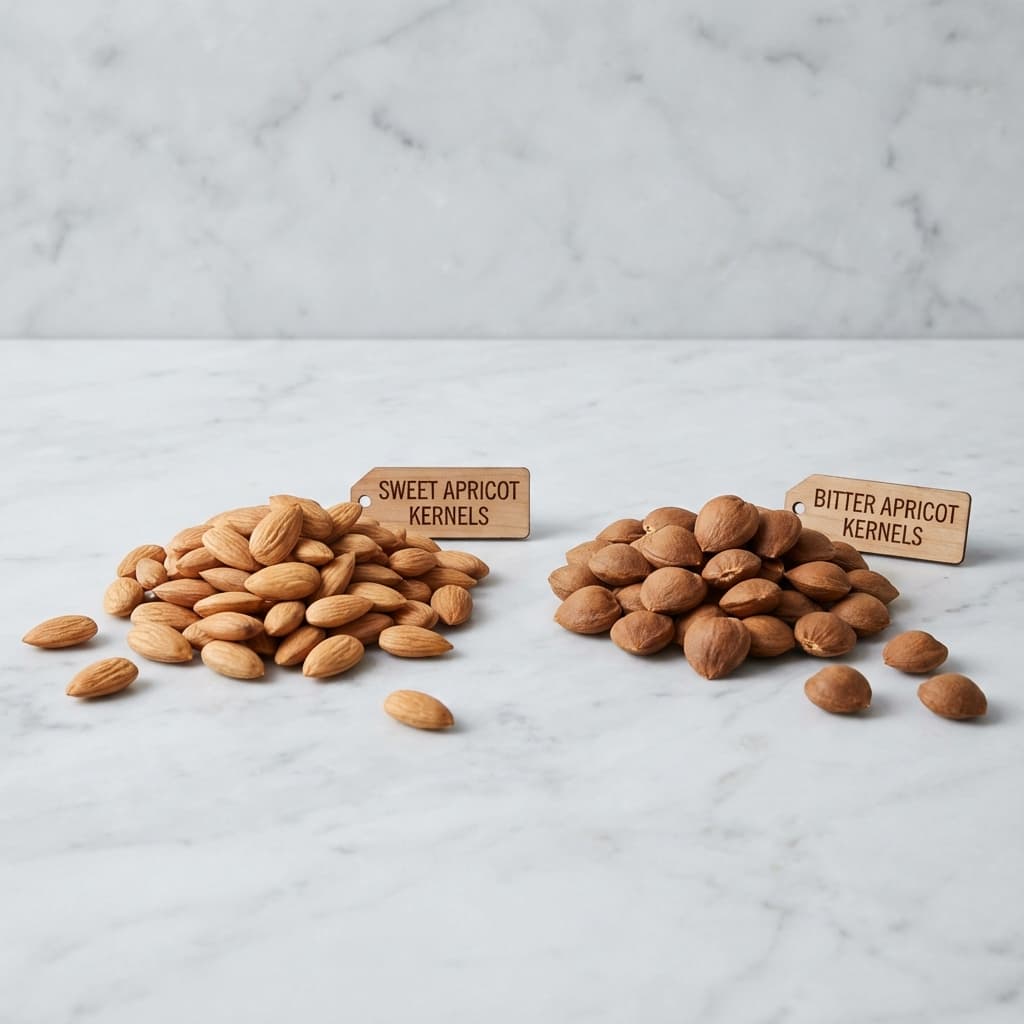
Sweet Apricot Kernels: These kernels bear a striking resemblance to almonds. They are typically larger, have a more elongated shape, and a mild, nutty flavor. They lack the intense bitterness found in their counterparts and are often used as a cost-effective substitute for almonds in bakery products.
Bitter Apricot Kernels: Generally smaller and more heart-shaped, these kernels pack a punch. They have a strong, intense bitter taste and a potent aroma reminiscent of amaretto. This distinct flavor profile makes them a prized ingredient in marzipan, jams, and certain liqueurs.
2. Nutritional Composition
Both varieties are nutrient-dense, offering healthy fats, protein, and fiber. However, the key difference lies in a compound called amygdalin (also known as Vitamin B17).
- Sweet Kernels: Contain trace amounts of amygdalin. They are rich in monounsaturated fats and Vitamin E, supporting heart and skin health.
- Bitter Kernels: Contain significantly higher levels of amygdalin. While this compound is the subject of much health research, it releases cyanide when digested, which necessitates careful consumption and regulation.
3. Culinary and Industrial Uses
Sweet Kernels:
• Snacking: Eaten raw or roasted, just like almonds.
• Confectionery: Used in cookies, cakes, and chocolates.
• Oil Extraction: Sweet apricot kernel oil is excellent for cooking and salad dressings.
Bitter Kernels:
• Flavoring: Essential for Amaretti cookies and apricot jams to enhance the fruit flavor.
• Cosmetics: Bitter apricot oil is widely used in skincare for its moisturizing and anti-aging properties.
• Pharmaceuticals: Used in traditional medicine and modern extracts.
4. Safety and Regulations
Due to the high amygdalin content in bitter kernels, strict regulations exist regarding their sale for human consumption, particularly in the EU. It is essential to source from certified suppliers who adhere to safety standards and provide clear labeling. Sweet kernels, on the other hand, are generally safe for consumption in normal quantities.
Conclusion
Whether you are looking for a healthy snack, a bakery ingredient, or a potent cosmetic oil, choosing the right type of apricot kernel is essential. At Apricot Kernels, we supply premium quality organic and conventional kernels of both varieties, ensuring you get the perfect product for your needs.
Related Articles
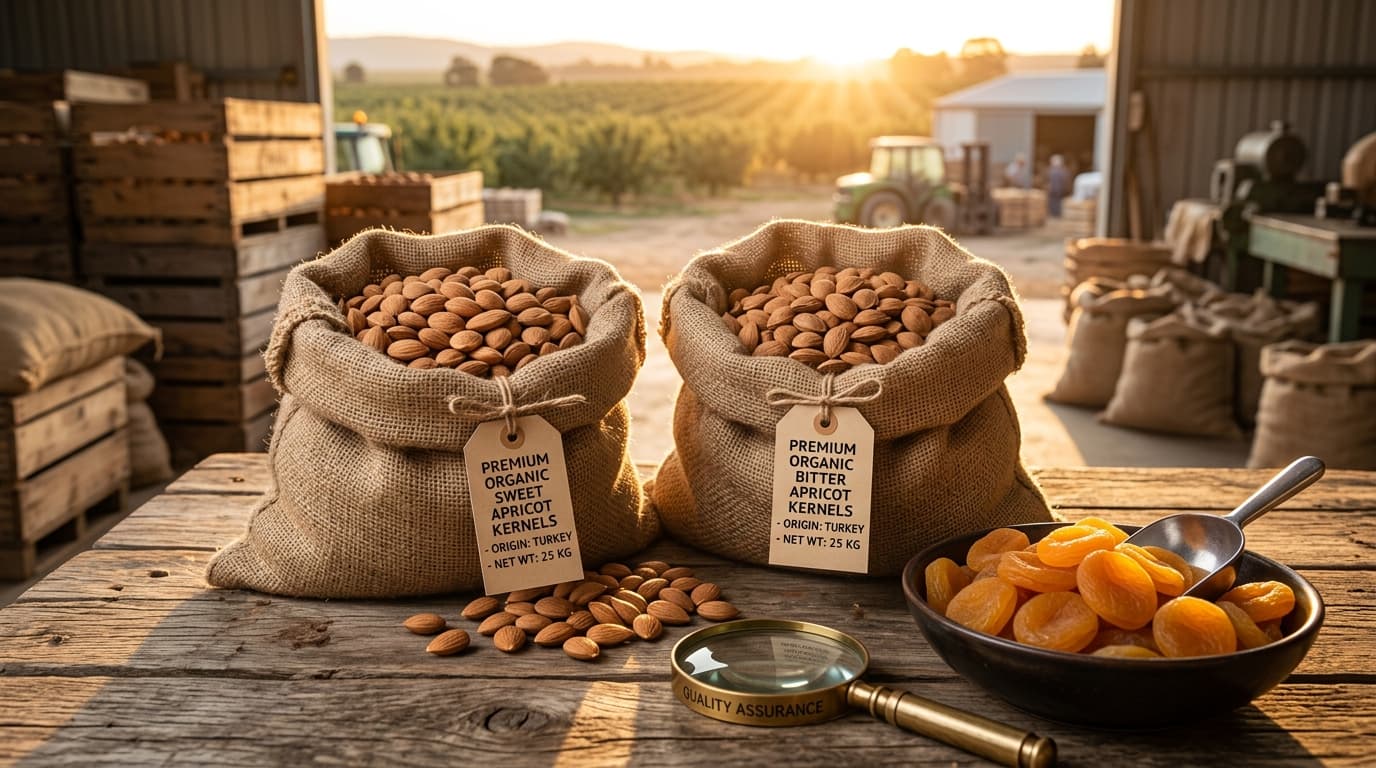
Global Apricot Kernel Market & 2026 Harvest Outlook: Strategic Guide for B2B Importers
A comprehensive 2026 market intelligence report covering Malatya harvest yields, pricing dynamics, aflatoxin zero-tolerance compliance, and B2B import procurement strategies.
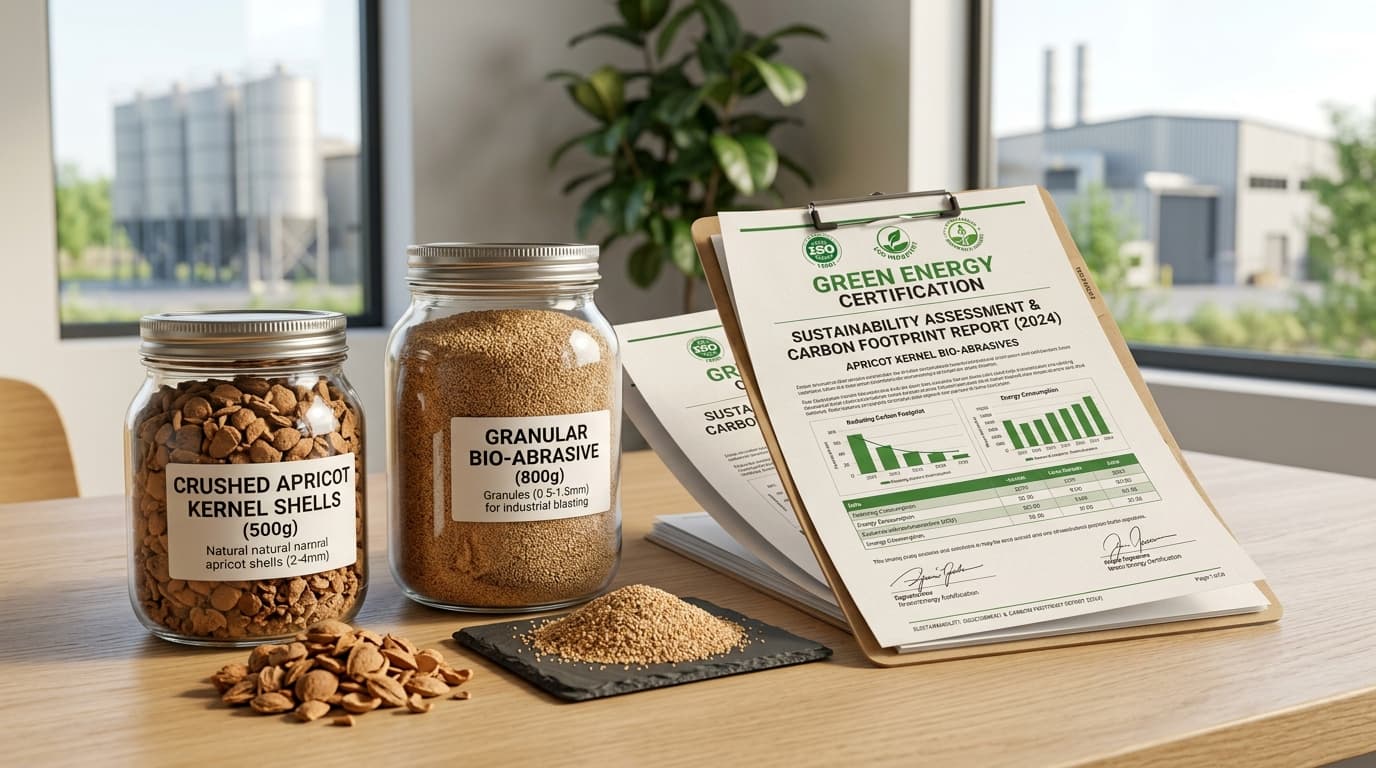
2026 Industrial & Biomass Outlook: Why Global Markets are Turning to Apricot Kernel Shells
An in-depth analysis of how strict ESG regulations, rising fossil fuel costs, and microplastic bans are driving exponential demand for crushed apricot pit shells in 2026.
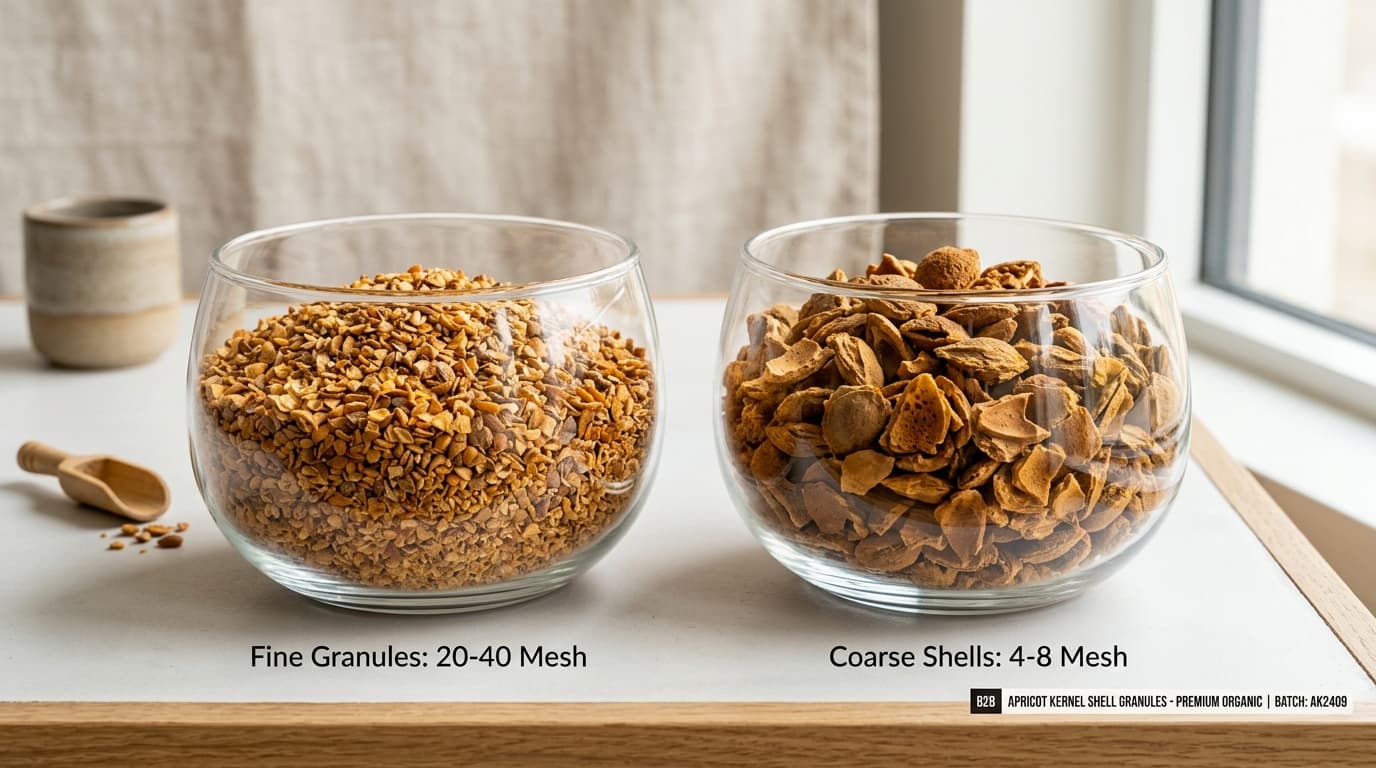
Apricot Kernel Shell: The Sustainable Biomass and Industrial Abrasive Revolution
Discover why crushed apricot kernel shells are trending globally as high-calorific green biomass fuel, non-destructive sandblasting media, and activated carbon precursors.